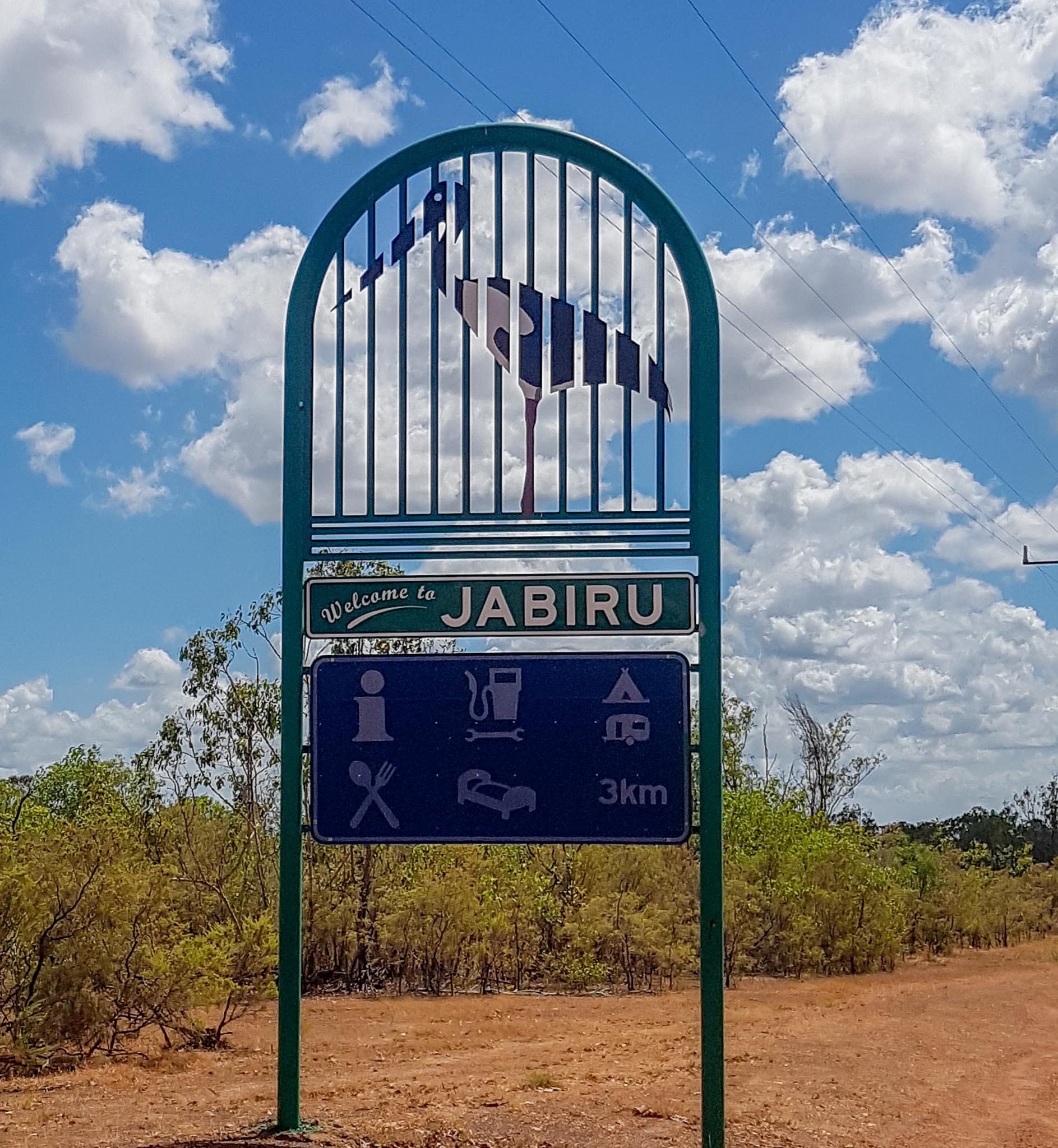
Jabiru
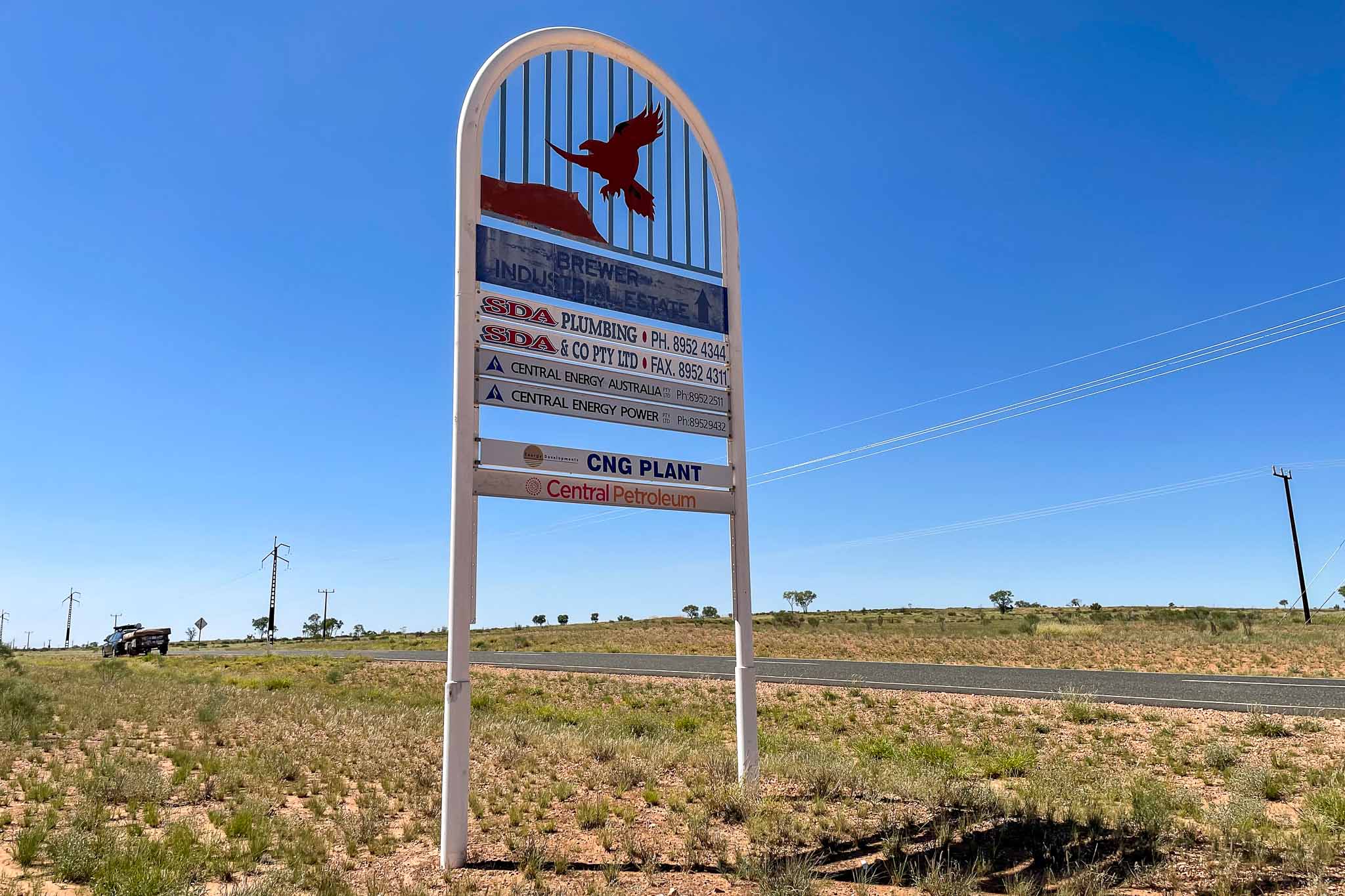
Alice Springs

Darwin
LOCATED THROUGHOUT NT.
PHOTOS: E FUSCALDO
PHOTOS: E FUSCALDO
Signs are among the most ubiquitous and enduring elements of the modern built environment, and in the Northern Territory they do far more than point the way. They articulate identity, communicate civic and commercial presence, and often serve as architectural accents within public and private spaces. From bold roadside markers to refined street signage, modernist influences can be seen in their clear typefaces, structural simplicity and integration with surrounding form.
In Darwin and regional centres, the post-war influx of skilled labour and the rise of new commercial and civic activity brought an expanded appetite for distinctive signage. Businesses, government buildings, and community facilities employed graphic forms that were legible at a distance, responsive to the bright tropical light, and expressive in a way that contributed to the Territory’s evolving visual culture.
Materials such as steel, neon, concrete and enamelled panels were chosen not just for durability but for their capacity to hold bold shapes and colours.
Modern signs in the Territory also reflect a period when architecture and graphic design were closely aligned: clear geometry, straightforward communication and climatic performance all played a role in shaping their forms.
Whether marking a hotel, a theatre, a public building or a local business, these signs are reminders that wayfinding and identity go hand in hand, and that even the simplest architectural artifact can contribute to a region’s sense of place.
Heritage Status: Not Listed (as a category)
In Darwin and regional centres, the post-war influx of skilled labour and the rise of new commercial and civic activity brought an expanded appetite for distinctive signage. Businesses, government buildings, and community facilities employed graphic forms that were legible at a distance, responsive to the bright tropical light, and expressive in a way that contributed to the Territory’s evolving visual culture.
Materials such as steel, neon, concrete and enamelled panels were chosen not just for durability but for their capacity to hold bold shapes and colours.
Modern signs in the Territory also reflect a period when architecture and graphic design were closely aligned: clear geometry, straightforward communication and climatic performance all played a role in shaping their forms.
Whether marking a hotel, a theatre, a public building or a local business, these signs are reminders that wayfinding and identity go hand in hand, and that even the simplest architectural artifact can contribute to a region’s sense of place.
Heritage Status: Not Listed (as a category)